Translated from Portuguese. The Portuguese version prevails. Ler em português
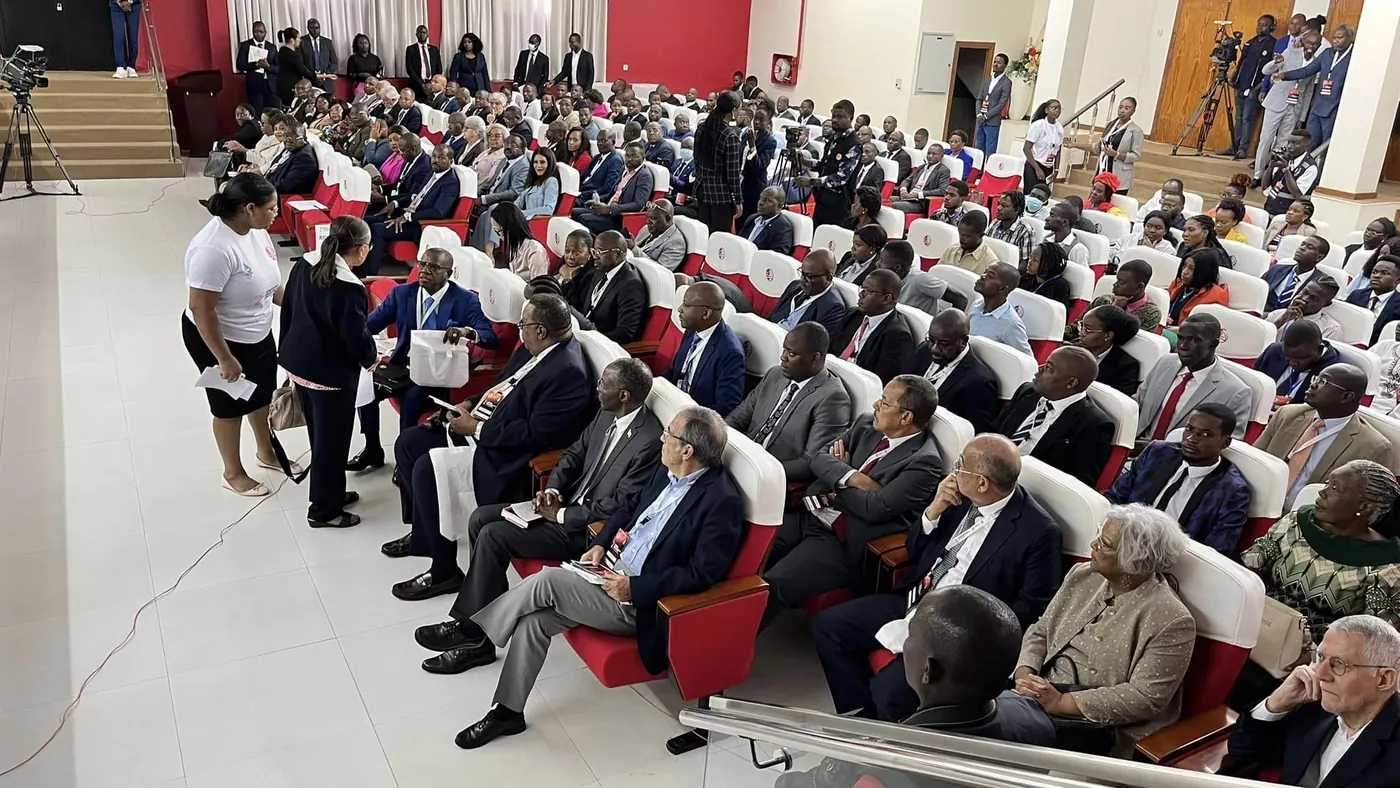
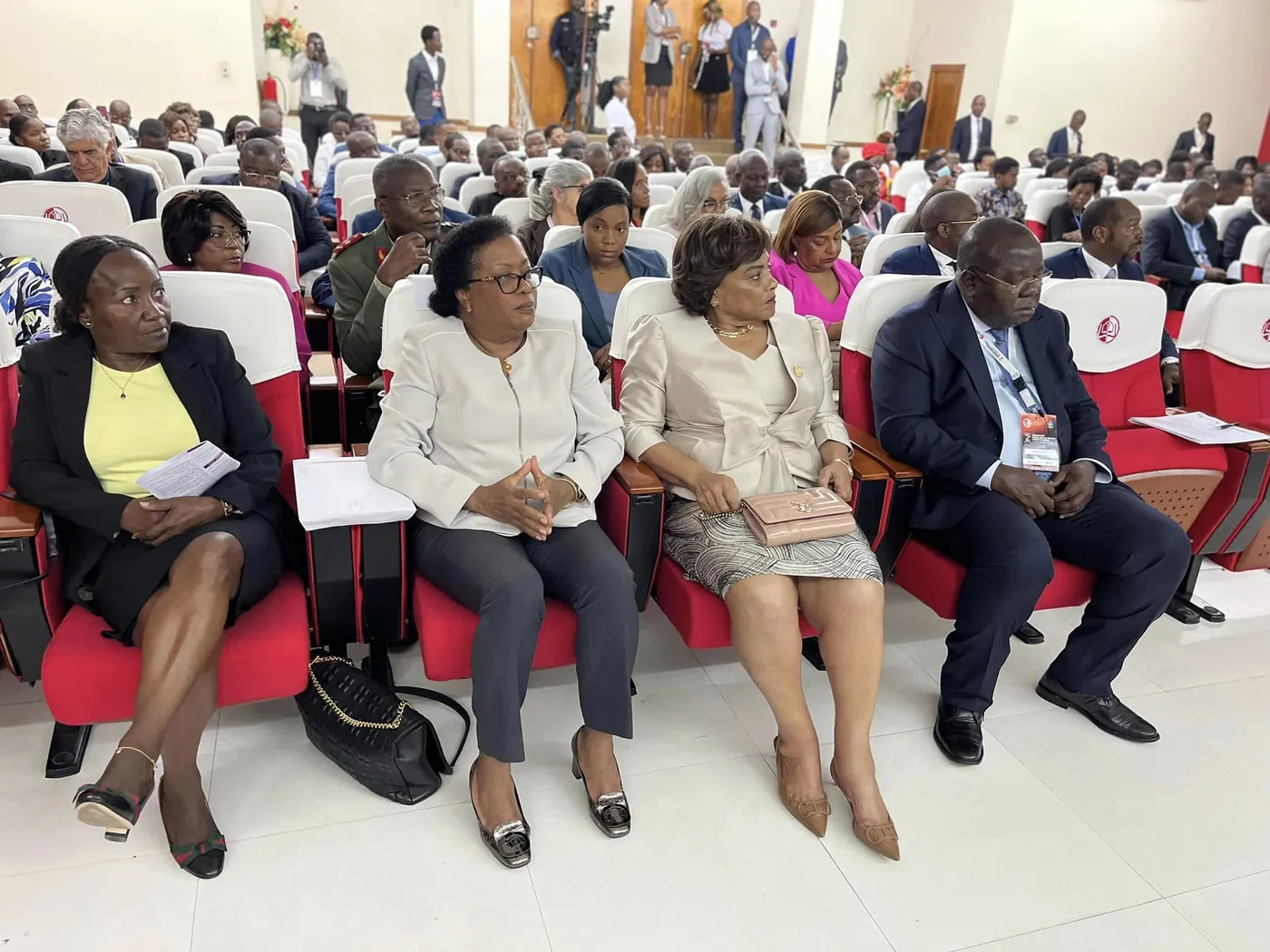
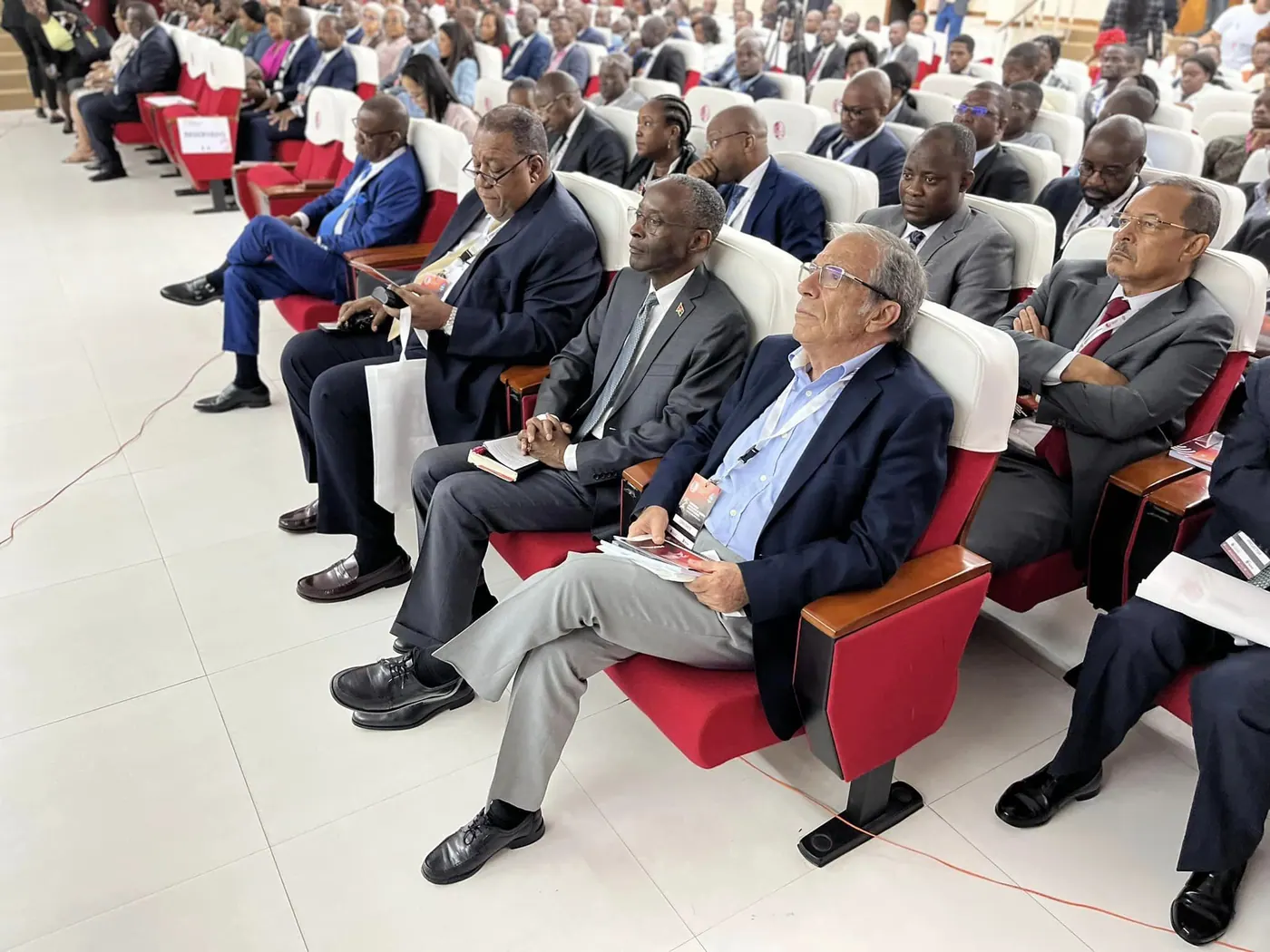
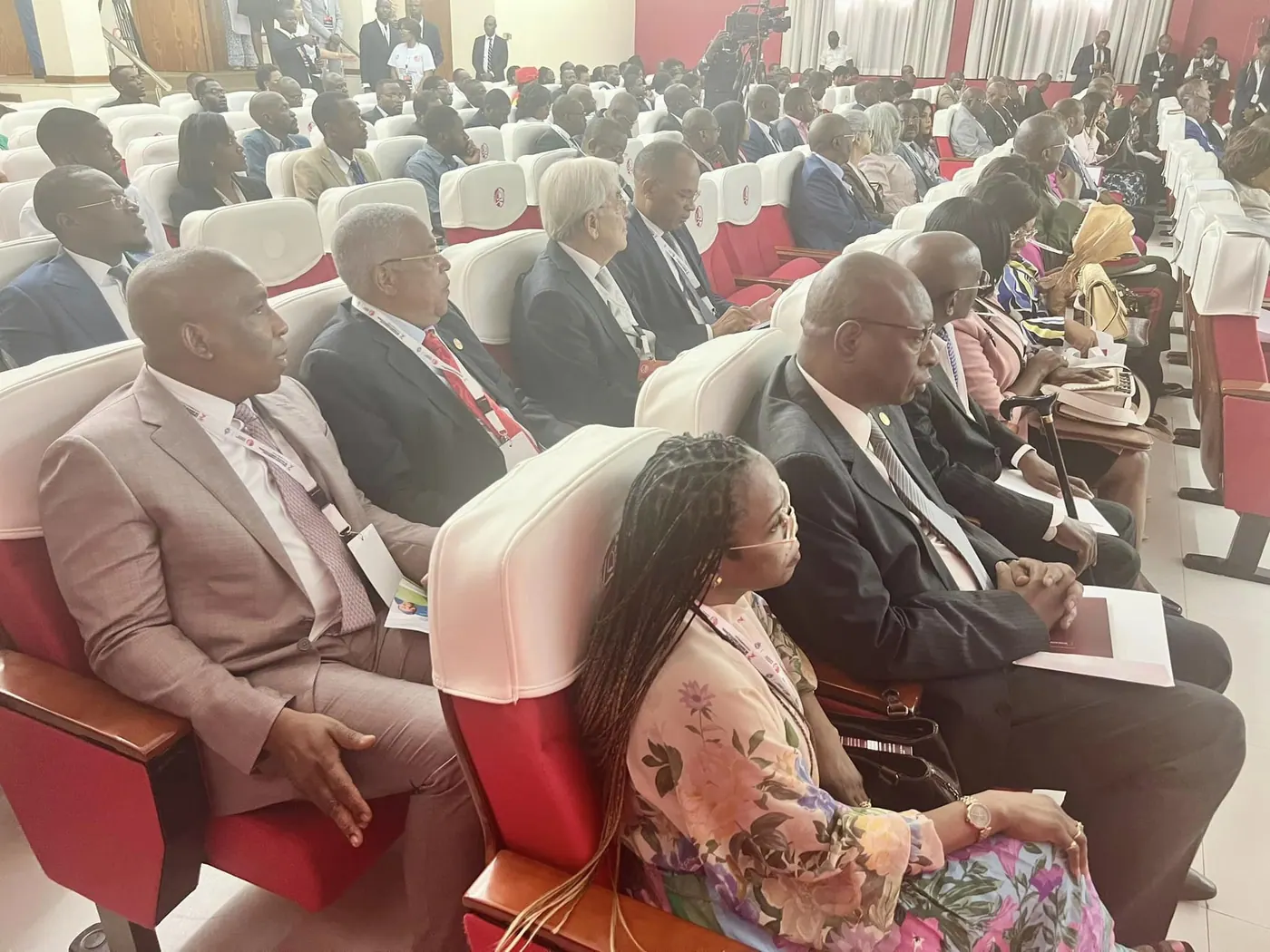
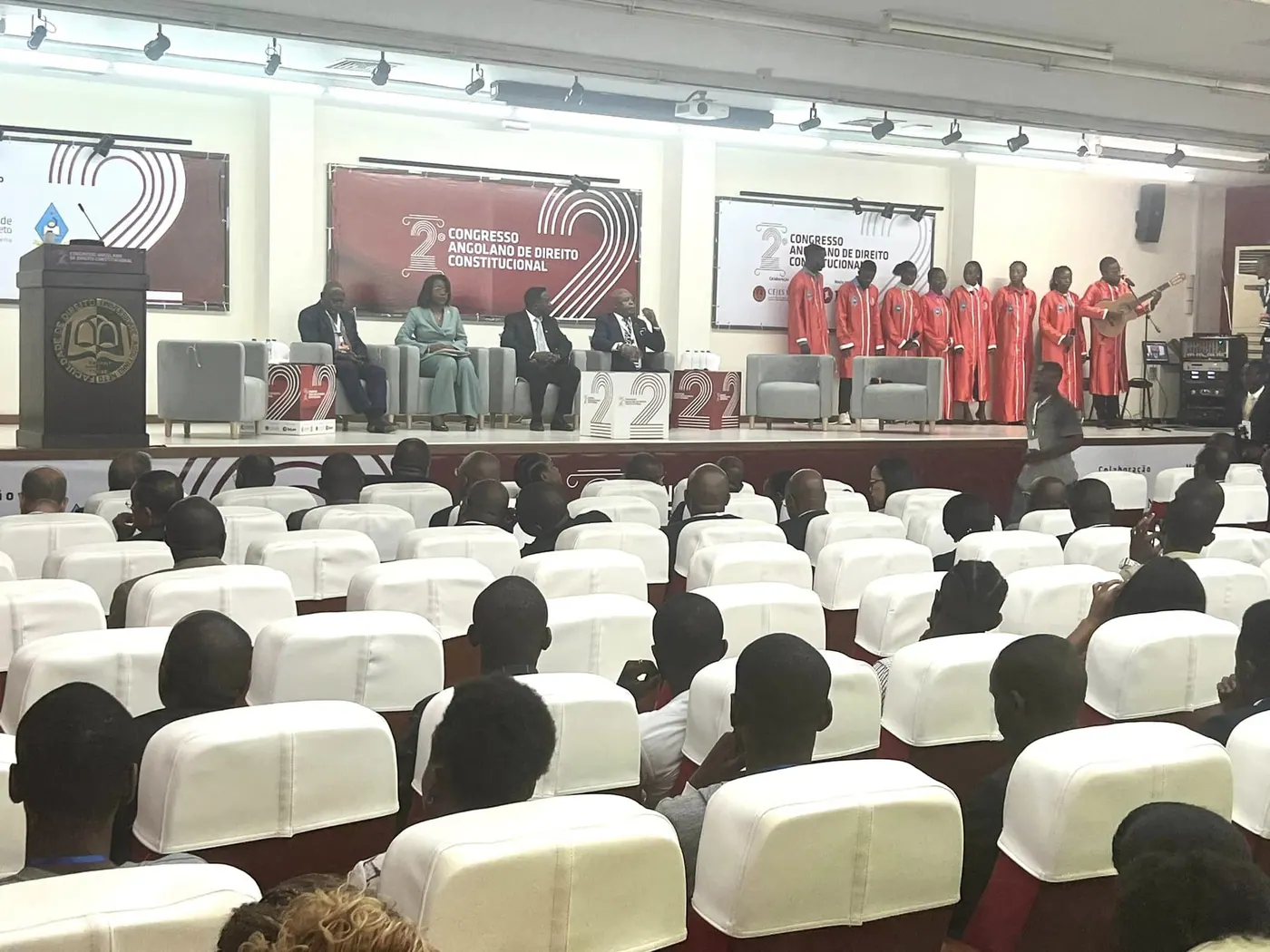
The Faculty of Law of Agostinho Neto University (UAN) is holding, on 7, 8 and 9 November 2023, the II Congresso Angolano de Direito Constitucional (2nd Angolan Congress of Constitutional Law).
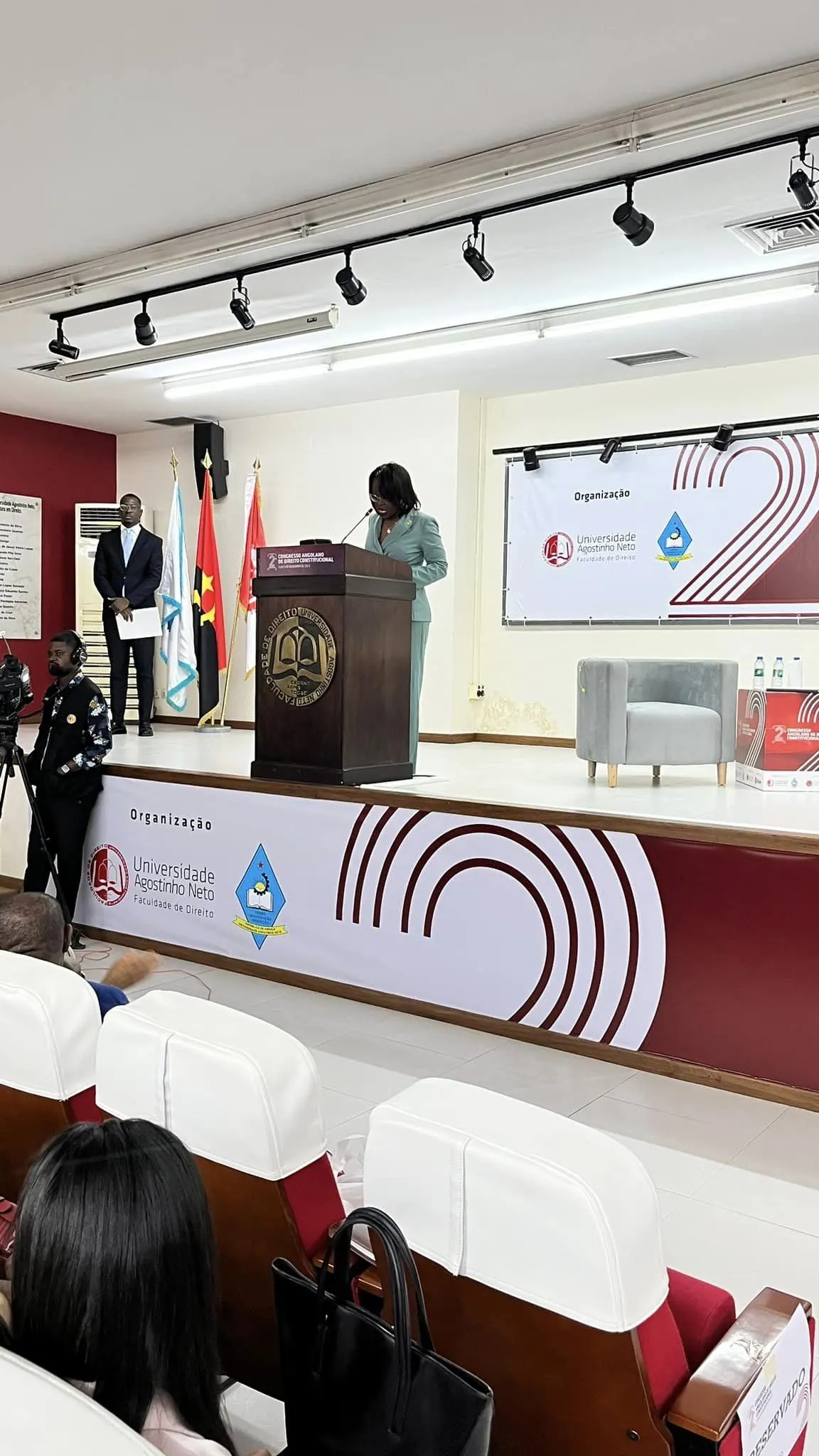
Below, in full, is the opening address delivered by the President of the Constitutional Court, Justice Laurinda Prazeres Monteiro Cardoso.
----------//--------
Rector Magnificus of Agostinho Neto University;
Your Excellency, Dean of the Faculty of Law of
Agostinho Neto University;
Dear Professors;
Distinguished Guests;
Ladies and Gentlemen.
It was with immense satisfaction that I received the invitation to deliver the opening address of this 2nd Congresso Angolano de Direito Constitucional, and it is therefore with great honour that I address Your Excellencies.
I congratulate the General Coordinator of the Congress, Professor André de Oliveira Sango, the Management of this Faculty and the entire Organising Team of this Great Event.
The words that follow are, naturally, words of encouragement and of rejoicing at the organisation of this Congress. It is always good when the academic community comes together with the aim of creating and fostering a space for reflection and debate on Angolan constitutionalism, thereby contributing to the study of our reality, but without losing sight of the new perspectives of Constitutional Law.
Your Excellencies;
Certainly, at this Congress, we will have the opportunity and the privilege of listening to and learning from presentations guided by scientific principles. I, however, without neglecting scientific methods, would like to propose that we reflect on how a Congress of this nature can help to “deconstruct” the technicist view of the issues of Constitutional Law and of the Constitution itself, in order to give it a dimension of everyday social life and thus bring it closer to ordinary citizens.
Viewing and approaching the Constitution in its social dimension presupposes that we accept, first and foremost, that it is a cultural creation. That the norms, and the values underlying them, result not only from the legacy of generations of scholars of the Science of Law, and of Constitutional Law in particular, but also from social phenomena that are (or should be) duly contextualised in time and space.
In the field of research and discussion in the social sciences, especially in an academic environment such as this, there is usually an emphasis on questions of method. However, this concern cannot obscure other equally essential questions, such as the application of the results in the service of society. In this sense, it is our wish that the good ideas that will certainly be discussed here move beyond theory and can be transformed into intentional action.
Moreover, by its own fault (or merit), when Illustrious Academics such as these come together at a congress, the practice of science becomes increasingly complex. It is necessary, once again, to “deconstruct” concepts, so as to avoid a kind of collective scepticism, that is, society becoming convinced of the complexity of the approaches, but not becoming enlightened. It has been widely stated and accepted that the Constitution embodies our social contract. Thus, in this forum, it seems legitimate to me that we ask ourselves the following:
- What is the Constitution? Why is it considered the Fundamental Law of the State?
- What must we do, and how, so that the values contained in constitutional principles and norms become known to the PEOPLE AT LARGE?
In other words, how can such values reach all social strata and not only jurists, researchers, constitutionalists, legislators and law students?
- Finally, how can a space for reflection and debate such as this one contribute to this aim?
Your Excellencies;
The Constitution, whether formal or material, cannot be reduced to a body of norms regulating public authorities; it is also the guiding thread and the foundation on which all the decisions of the State must be based. It is, therefore, the founding basis of our State and the compass that guides the community.
In the preamble to the Constitution of the Republic of Angola (CRA), one can read that the Constitution is the “First and Fundamental Law of the State and of Angolan society; which forms part of the long struggle of the ANGOLAN PEOPLE to build in Angola a democratic State based on the rule of law and a just society”.
Also in accordance with the preambular provisions of our Supreme Law, “the Constitution is committed to the fundamental values and principles of the Independence, Sovereignty and Unity of the democratic State based on the rule of law, of pluralism of expression and of political organisation, of the separation and balance of powers of the organs of sovereignty, of the market economic system, and of respect for and guarantee of the fundamental rights and freedoms of the human being, which constitute the main pillars that give it support and structure, and are, for that very reason, a determining factor of national unity”.
From the principle of the Supremacy of the Constitution stems the idea of Constitutionality, that is, the CRA is the Lex Mater (supreme law), which presupposes that the laws and other acts of the State, of the Public Administration and of Local Government, including those of the Judiciary, must conform to the Constitution, on which their validity depends. Indeed, this is also one of the grounds for the existence of constitutional jurisdiction, that is, the set of legal and institutional mechanisms available for the judicial review of the constitutionality of laws and other acts of the State, a power exercised, as the court of last resort, by the Constitutional Court ( see Articles 6, 226 and 227 of the CRA).
For all these reasons, there is a stronger need for all of us, together, to find the most effective mechanisms so that, from a very early age, our children and young people can grow up knowing our Magna Carta and, consequently, learn about their fundamental rights and duties. That is, grow up with a refined legal, political, civic and patriotic culture.
Indeed, it is essential to disseminate the Constitution of the Republic of Angola more widely and more effectively, so that the most elementary rights of each and every person are respected, in such a way that strict compliance with and observance of the Constitution are, in effect, the matrix of the conduct of citizens and of the whole of Angolan society.
Furthermore, since the Constitution is an instrument of the PEOPLE and for the PEOPLE, the ideal is that the discussions to be held at this Congress, regardless of the type of approach, whether focused on ontological, axiological or methodological aspects, should bear in mind that, out there, results are expected that can contribute to the search for solutions to the various phenomena, whether of a social, political or legal nature.
If this is so, we will be contributing, on the one hand, to strengthening the sense of social cohesion and, on the other, to the integration of those who feel left on the margins of knowledge of the Constitution and of its importance in the life of the Country.
I conclude my address
By thanking you for listening and expressing my wish that this Congress may achieve its intended objectives and results.
THANK YOU VERY MUCH!
Luanda, 7 November 2023