
Translated from Portuguese. The Portuguese version prevails. Ler em português
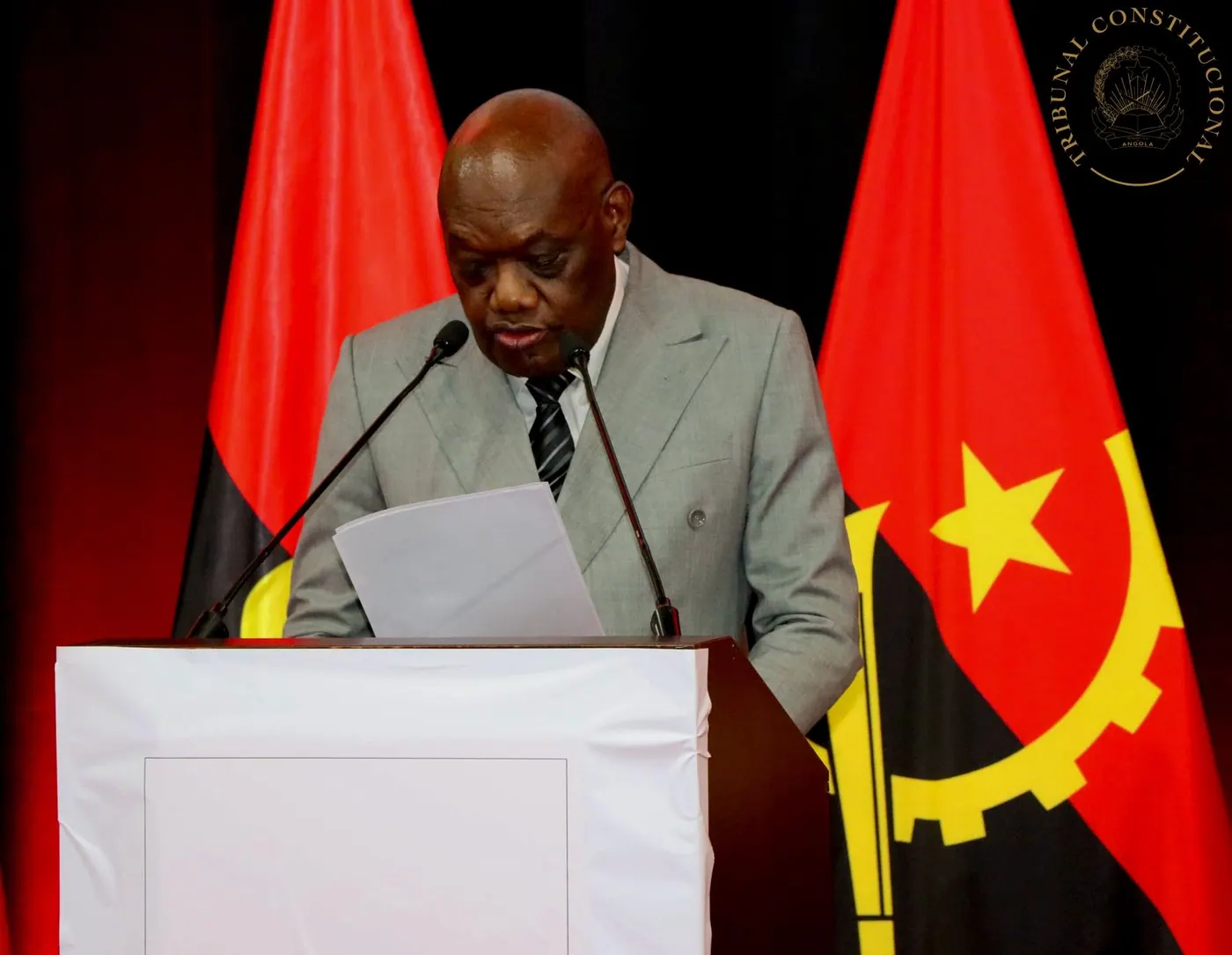
Address by the President of the Supreme Court and of the Superior Council of the Judiciary, Justice Norberto Sodré João.
Your Excellency the President of the Constitutional Court, Dr Laurinda Jacinto Prazeres; Your Excellencies the Justices of the Constitutional Court; Ladies and Gentlemen,
It is a great honour for me to take part in this formal ceremony marking the 18th anniversary of the Constitutional Court.
This date is of particular significance for the Angolan State, for the justice system and for the consolidation of the democratic State based on the rule of law. The Constitutional Court represents one of the highest guarantees of the rule of law. Its role is measured not only by the decisions it hands down, but by the assurance it provides that the Constitution endures as the limit, foundation and guide of public power.
Constitutional jurisdiction in Angola has its roots in the 1992 Constitutional Law, which already provided for the existence of a Constitutional Court dedicated to the examination of matters of a legal and constitutional nature.
Before its establishment as an autonomous institution, it fell to the Supreme Court, on a transitional basis, to examine and decide cases of a constitutional nature, acting as the Constitutional Court.
This path must be recalled with rigour and institutional awareness, since it shows that constitutional justice established itself early on as an essential requirement of the rule of law: guaranteeing respect for the Constitution, protecting fundamental rights and ensuring that the exercise of public power remained legally limited.
With the adoption of the Organic Law of the Constitutional Court and of the Organic Law of Constitutional Procedure, both of 17 June 2008, a new stage opened in the organisation of the Angolan constitutional system.
The entry into operation of the Constitutional Court made possible the full autonomy of constitutional jurisdiction and the strengthening of the mechanisms for the review of constitutionality, electoral disputes, political parties and the protection of fundamental rights.
Since then, the Constitutional Court has been establishing itself as an institution indispensable to the stability of the State, to democratic legality and to the strengthening of the institutions of the Republic.
Ladies and Gentlemen,
The Constitution is the fundamental pact of the Republic. It is in the Constitution that the limits, duties and responsibilities of the exercise of public power are to be found. It is also in the Constitution that the foundations of human dignity, the separation of powers, the independence of the courts and the protection of fundamental rights rest.
For this reason, the mission of the Constitutional Court is not confined to the resolution of legal and constitutional questions.
It extends to the stability of the State, legal certainty and the defence of democratic legality. The independence of the courts, the integrity of judges and respect for the Constitution are essential conditions for the authority of the Judiciary and for the consolidation of the democratic State based on the rule of law.
Celebrating the 18 years of the Constitutional Court is, therefore, to reaffirm the permanent commitment to the Constitution, to justice and to institutional responsibility.
The Supreme Court and the Superior Council of the Judiciary recognise, with great appreciation, the path taken by the Constitutional Court and reiterate their readiness for an institutional relationship founded on loyalty, collaboration and the defence of the Constitution, of justice and of the democratic State based on the rule of law.
Allow me, therefore, to congratulate the President of the Court, the Justices, magistrates, staff and all those who, over these 18 years, have contributed to the affirmation and consolidation of the Constitutional Court of Angola.
May this celebration also be a moment of renewed commitment to the Constitution, to the integrity of institutions and to the moral authority of justice.
Thank you very much.