
Translated from Portuguese. The Portuguese version prevails. Ler em português
Officials of the Constitutional Court spoke on various topics.
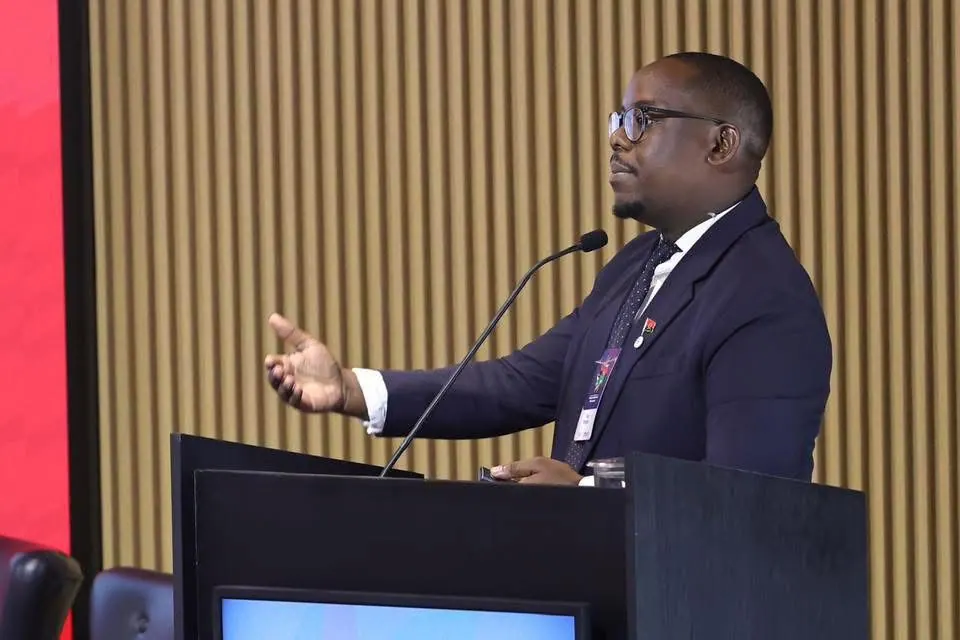
At the XII Congresso Internacional de Direito na Lusofonia (12th International Congress on Law in the Lusophone World), which is taking place in Brazil from 27 to 30 April and is organised by the Research Network on Law in the Lusophone World (Rede de Investigação em Direito na Lusofonia – REDIL) with the aim of promoting the exchange of legal knowledge, the development of comparative research and the harmonisation of good practice in the Lusophone area, five legal officers of the Constitutional Court took part, in their individual capacity, in various thematic panels, where they presented their papers.
On panel 1, Evandra Luisa de Jesus Martins spoke on Legal ethics and constitutional justice: limits and responsibilities of the Constitutional Court.
On panel 2, Celmira Alfredo Barros Matana addressed the topic “The social inclusion of persons with disabilities through the human right to work”.
On panel 3, Hermínio Carlos Silva Rodrigues dealt with the topic “Republican ethics as the ethos of constitutional justice in Angola”.
In turn, on panel 4, Adlezio Agostinho presented the topic “Ethics and natural law as a source of legitimacy of international law: an analysis of the new global crisis”.
Finally, on panel 7, José Machado spoke on Legality and ethics in the administration of constitutional justice: the powers of cognisance of the constitutional judge and integrity in the administration of justice.
Founded with the purpose of establishing a permanent forum for dialogue between the Lusophone legal communities of Angola, Brazil, Cabo Verde, Guinea-Bissau, Mozambique, Portugal, São Tomé and Príncipe, Timor-Leste and Macau, REDIL has been organising, on a regular basis, the Congresso Internacional de Direito na Lusofonia, which has established itself as the main scientific gathering of the Lusophone legal community.
Each edition of the Congress is organised in partnership with a host institution from one of the network's member countries, contributing to the decentralisation of the debate and to the strengthening of bilateral and multilateral relations between Lusophone legal systems.