
Translated from Portuguese. The Portuguese version prevails. Ler em português
The Namibe Special School (Escola Especial do Namibe) now has copies of the Constitution of the Republic of Angola in braille, an important tool for the inclusion of visually impaired students.
The books were handed over to the Provincial Governor of Namibe, Augusto Archer Mangueira, by the President of the Constitutional Court, Justice Laurinda Prazeres. The governor then went to the Namibe Special School, located in Moçamedes, and delivered the copies to the visually impaired pupils attending the institution.
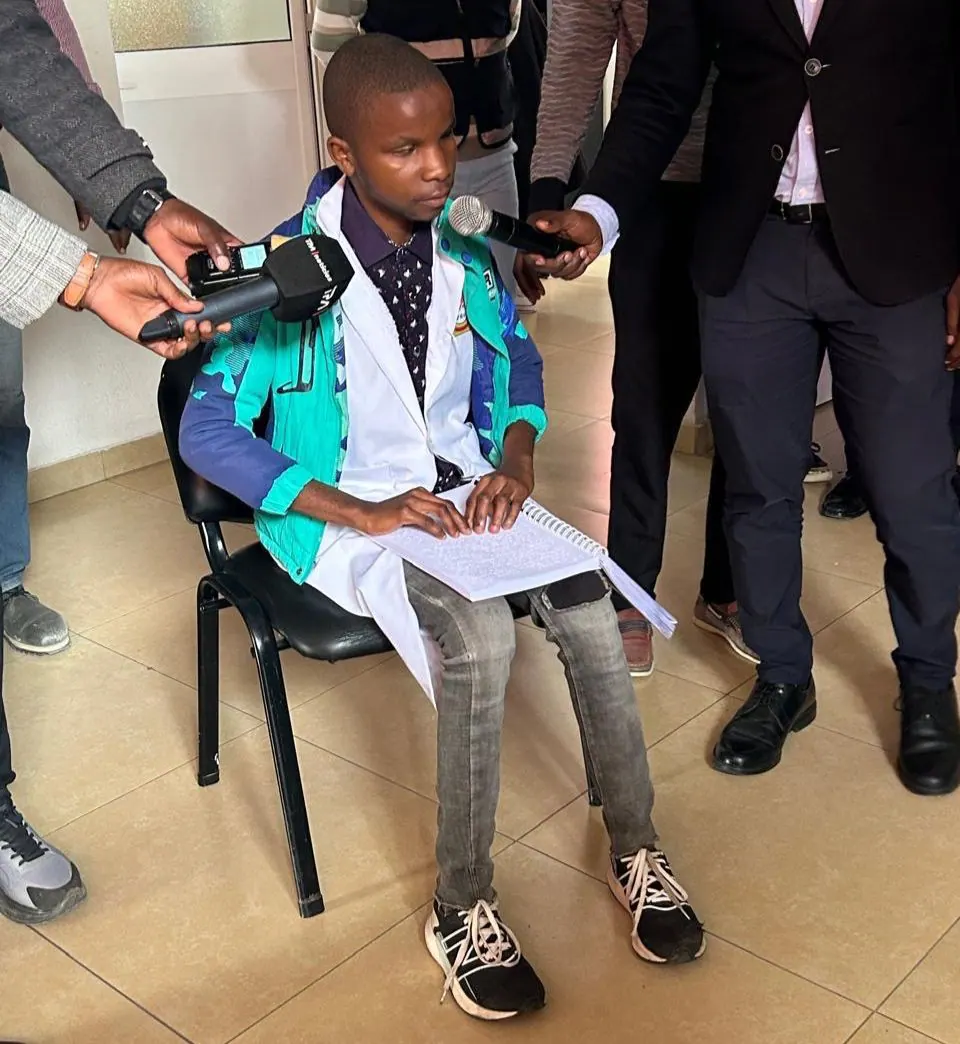
During the ceremony, one of the students read aloud an excerpt from the Constitution, demonstrating fluency and pride, in a gesture that moved those present and reaffirmed the importance of accessible knowledge.
The Namibe Special School currently serves 243 pupils with special educational needs, including children and young people with learning difficulties, intellectual disabilities, visual impairments, hearing impairments, physical disabilities, conduct disorders, autism spectrum disorder and Down syndrome. The institution provides education from the pre-primary initiation year (iniciação) up to the ninth grade.
The translation of the Constitution of the Republic into braille is a pioneering initiative of the Constitutional Court, aimed at promoting citizenship and ensuring the inclusion of persons with disabilities, especially blind citizens, reaffirming its commitment to equal access to information and to the exercise of fundamental rights.
Braille is a system of reading and writing based on raised dots, enabling blind or partially sighted people to read with their fingers. Although it is not a language, it is a code adaptable to various languages and is used by thousands of people around the world as an essential instrument for literacy and social inclusion.